What Should You Pay Attention to When Installing and Adjusting CNC Press Brake Tooling?
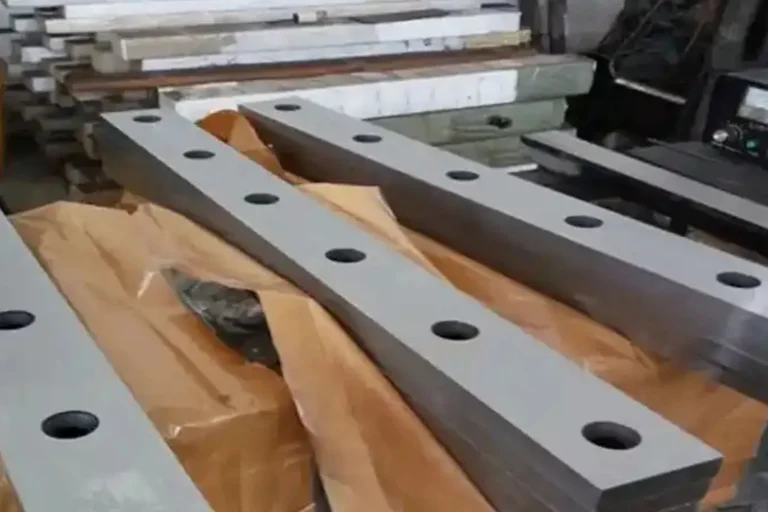
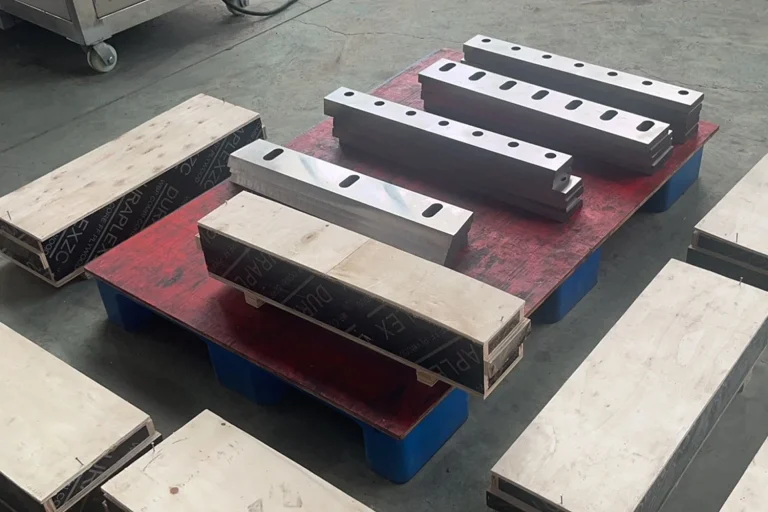
Press brake tooling consists of upper punches and lower dies, which are used for sheet metal bending and forming operations. Forming tools contain precisely machined cavities, while cutting or separating tools feature sharp cutting edges.
Since CNC press brake tooling is made up of multiple precision components, proper installation and adjustment are essential for achieving accurate bending results, extending tool life, and ensuring operator safety. Before installation, carefully inspect the machine and follow the recommended setup procedures.
1.Check and Prepare the Machine
Before installing the tooling, ensure that the press brake is in good operating condition.
- Inspect the machine for dust, metal chips, and other debris.
- Clean the working area thoroughly.
- Verify that the machine is operating smoothly before installing the tooling.
Proper machine preparation helps prevent alignment problems and reduces the risk of future maintenance issues.
2.Adjust the Ram Stroke
Before operation, check the thickness of the tooling and ensure that the upper and lower tools are correctly matched.
When setting the ram stroke:
- Verify that the stroke length is appropriate for the tooling height.
- Ensure the upper and lower tooling alignment is correct.
- Set the stroke limit so that the machine stops at the correct switching point.
Proper stroke adjustment helps prevent excessive impact and protects both the tooling and the machine.
3.Set the Stroke Limit Position
Adjust the upper limit position of the ram before production.
During setup:
- Set the upper limit switch correctly.
- Leave sufficient stopping distance for the ram.
- Configure the machine to decelerate before reaching the bottom of the stroke.
Controlled acceleration and deceleration reduce mechanical shock and help protect both the press brake and the tooling.
4.Adjust the Tooling Clearance
Measure the distance between the upper punch and the lower die before bending.
The correct clearance should be determined according to:
- Sheet metal thickness
- Material type
- Required bending radius
Proper tooling clearance improves bending accuracy, reduces tool wear, and minimizes the risk of damaging the workpiece.
5.Adjust the Bending Angle
The tooling angle should match the bending requirements of the workpiece.
For example, when producing a 90° bend, the included angle of the punch is typically designed to be slightly smaller (more acute) than 90° to compensate for material springback.
During setup:
- Fine-tune the tooling position using the adjustment screws.
- Monitor forming pressure with the machine’s pressure gauge.
- Apply only the necessary bending force to achieve the desired angle.
Correct pressure and angle adjustment help prevent tool edge chipping, improve bending accuracy, and extend tooling service life.
Conclusion
Proper installation and adjustment of CNC press brake tooling are essential for achieving high-quality bending results and maximizing tooling lifespan. By carefully preparing the machine, correctly setting the ram stroke and stroke limits, adjusting tooling clearance, and fine-tuning the bending angle, manufacturers can improve productivity, reduce downtime, and ensure safe, reliable operation.